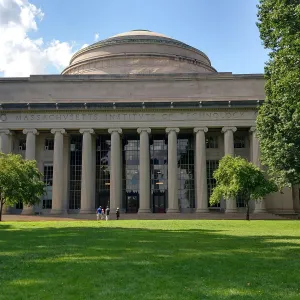
U.S. research universities report declining PhD admissions as funding uncertainty, reduced research capacity, and international student challenges raise concerns over America’s future innovation pipeline.
Australia will keep international student commencements capped at 295,000 in 2027 as the government prioritises sustainable growth, quality, and sector stability.
Egypt is investigating international schools after grading irregularities were found in Arabic, social studies, and religious education, including cases of full marks given for blank exam papers.
International student numbers in the Netherlands fell slightly in 2025/26, marking the first decline in 20 years, driven by falling bachelor intake and shifting origins.
Italy updates 2026–27 student visa procedures, reinforcing pre-enrolment validation via Universitaly, structured embassy appointment allocation, and strict eligibility and jurisdiction requirements for applicants.
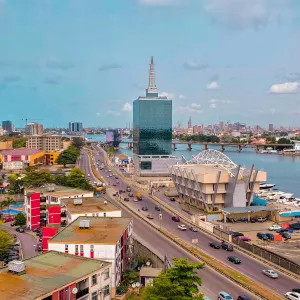
Nigeria has raised tuition remittance for students abroad to $25,000 per semester, easing foreign exchange access under new reforms to support higher education payments.
Ofqual fined Cambridge English £875,000 after IELTS automated marking errors affected over 62,000 candidates, including some visa-related cases, prompting corrections and system reforms.
New Zealand's international student enrolments increased 11% in 2025, with strong university growth and rising global recognition strengthening its position as a study destination.
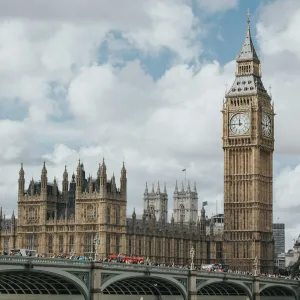
The UK government is tightening visa compliance for universities recruiting international students, introducing stricter performance thresholds and a traffic-light system. The measures respond to visa misuse amid a recent drop in overseas enrolments, which has increased financial pressure on UK universities.
Chinese students increasingly use gaokao scores for Australian university admission, with business and computer science leading applications as Australia expands opportunities for international students.