Chinese students increasingly use gaokao scores for Australian university admission, with business and computer science leading applications as Australia expands opportunities for international students.
Japanese universities are expanding English-taught degree programs and holistic admissions pathways, creating new domestic study options for bilingual, returnee, and international students.
More than 1,100 UC STEM faculty are urging the restoration of SAT and ACT requirements, citing growing concerns over mathematics preparedness and student success.
Japan will require interviews for major alternative university admissions pathways from 2027, reinforcing holistic evaluation beyond examinations amid broader higher education reforms.
China approved over 200 new transnational education partnerships in May 2026 as Beijing expands “internationalisation at home” efforts to reduce overseas study costs and retain billions in education spending domestically.
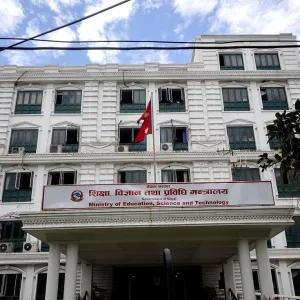
Nepal’s education ministry has warned students to use only officially licensed education consultancies, while authorities intensify enforcement against fraudulent and unauthorized operators involved in overseas study applications.
China approved the Southeast University–Monash University International College in Suzhou, expanding the long-running partnership to undergraduate education and launching the country’s first officially approved 2+2 Sino-foreign undergraduate model.
Trump defended Chinese students in U.S. universities despite earlier STEM-related visa restrictions under Presidential Proclamation 10043, exposing divisions over immigration, national security, university finances, and international education policy.
Australia’s student visa system is tightening unevenly, with Higher Education at a 20-year low and sharp country-based differences showing structured rather than random approval patterns.
China hosted 380,000 international students from 191 countries in 2024–25, reinforcing its growing role as a global study destination with strong engineering and postgraduate enrollment growth.