China approved over 200 new transnational education partnerships in May 2026 as Beijing expands “internationalisation at home” efforts to reduce overseas study costs and retain billions in education spending domestically.
The DAAD warned that German government funding cuts could end most university cooperation programs with the Global South by 2031, potentially weakening Germany’s global academic influence and talent recruitment efforts.
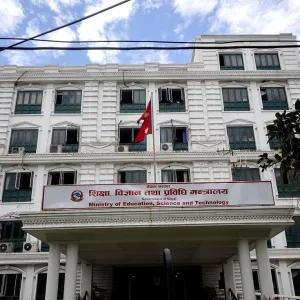
Nepal’s education ministry has warned students to use only officially licensed education consultancies, while authorities intensify enforcement against fraudulent and unauthorized operators involved in overseas study applications.
Japan’s education ministry is introducing a pilot “domestic study abroad” program encouraging students from Tokyo-area universities to study and work in regional communities as part of broader regional revitalization efforts.
UK universities are urging the government to exempt Chevening scholars from the visa brake policy, warning the restrictions could harm international education, UK soft power, and global leadership partnerships.
China and Russia are rapidly expanding higher education cooperation through new research partnerships, engineering programs, and joint institutes, driven by geopolitical shifts, strategic technologies, and growing alternatives to Western academic collaboration.
House of Commons report warns that 45% of English universities face deficits, argues that reliance on international fees mask systemic flaws requiring permanent public funding reform.
Trump defended Chinese students in U.S. universities despite earlier STEM-related visa restrictions under Presidential Proclamation 10043, exposing divisions over immigration, national security, university finances, and international education policy.
Australia has suspended new international student provider registrations in VET and ELICOS for 12 months, tightening sector regulation amid concerns over quality, migration pressures, and visa system integrity.
U.S. investigators identified over 10,000 suspected fraud cases linked to STEM OPT, uncovering shell companies, fake employers, and compliance loopholes in international student work authorization.