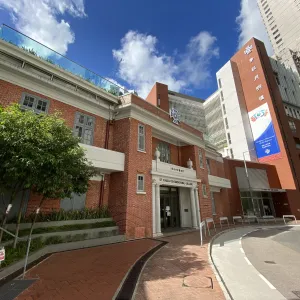
Only 2,671 Hong Kong Secondary 6 graduates studied outside the city in 2025, the lowest level since 2012. Most students stayed in Hong Kong for higher education, supported by strong local universities, subsidized tuition, diversified study options, and changing student demographics, with mainland China now the top external study destination.
China’s study abroad is shifting from growth to stability. In 2025, outbound students (570,600) stay below the 2019 peak. Drivers include mass domestic higher education (9.922 million admissions), improving university quality, weaker ROI, rising costs, geopolitical friction, and declining demographic pressure expected after the 2034 Gaokao peak.
China’s domestic journal ranking system—long seen as a counterpart to the Journal Citation Reports—has been withdrawn by its official publisher. But as a new platform emerges from the same team, deeper questions are being asked about credibility, control, and the future of research evaluation.
China has unveiled a significant package of reforms to its transnational education (TNE) framework, aiming to streamline approvals, expand institutional flexibility, and deepen global partnerships. The changes suggest a shift from controlled expansion toward more strategic, quality-driven international collaboration.
International branch campuses are often analysed as instruments of global higher education strategy. Less attention, however, has been paid to how students themselves arrive at the decision to enrol in them.
China’s transnational higher education system has evolved from cautious experimentation to a strategically integrated part of its higher education landscape. While the country is gradually opening its education market—allowing more autonomy, for-profit models and even pilot fully foreign-owned institutions—it continues to enforce a tightly controlled regulatory framework. This reflects a deliberate balance: leveraging global education to support national development, while safeguarding educational sovereignty, political oversight and social values.
China’s international branch campuses are expanding rapidly, promising global pathways and English-medium degrees. But new evidence suggests they disproportionately serve urban, affluent students, with family income emerging as a decisive factor in access. Rather than widening participation, these institutions risk reinforcing existing inequalities within Chinese higher education.