Singapore will introduce baseline AI competencies across all higher education institutions from 2027, integrating artificial intelligence skills, ethics, and discipline-specific applications into curricula.
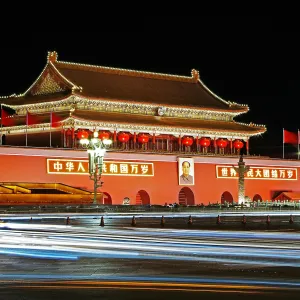
Three major Chinese universities disciplined distingished scientists and first authors following whistleblower Geng Tongxue’s allegations, highlighting growing scrutiny of research integrity in China.
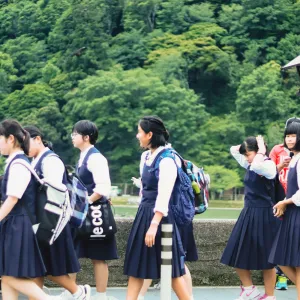
Japan's international student population surpassed 400,000 in FY2025, driven by strong growth from Nepal and Myanmar and rising demand for employment-focused education.
High Commissioner Dinesh K. Patnaik invited Canadian colleges to establish campuses in India, highlighting opportunities for skills training, innovation, and stronger bilateral education partnerships.
Japan will require interviews for major alternative university admissions pathways from 2027, reinforcing holistic evaluation beyond examinations amid broader higher education reforms.
China approved over 200 new transnational education partnerships in May 2026 as Beijing expands “internationalisation at home” efforts to reduce overseas study costs and retain billions in education spending domestically.
Japan’s university graduate employment rate remained at a near-record 98% in 2026, driven by labor shortages, population decline, and strong employer demand for young talent across multiple sectors.
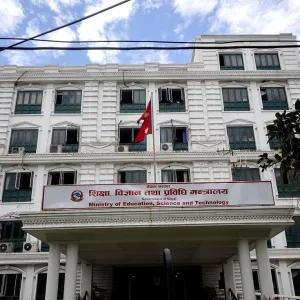
Nepal’s education ministry has warned students to use only officially licensed education consultancies, while authorities intensify enforcement against fraudulent and unauthorized operators involved in overseas study applications.
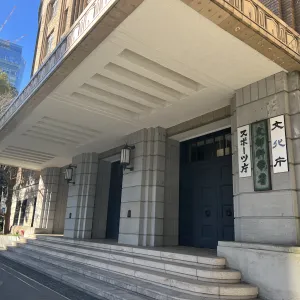
Japan’s education ministry is introducing a pilot “domestic study abroad” program encouraging students from Tokyo-area universities to study and work in regional communities as part of broader regional revitalization efforts.
China approved the Southeast University–Monash University International College in Suzhou, expanding the long-running partnership to undergraduate education and launching the country’s first officially approved 2+2 Sino-foreign undergraduate model.